Welcome to the Christian Business Growth Podcast where faith meets entrepreneurship. Each episode, we uncover the strategies, stories, and spirit-led insights that help Christian business owners align their goals with God’s call. From practical tips to real-life testimonies, we explore what it takes to build a business that honours Christ, serves others, and impacts the Kingdom.
Episode Summary
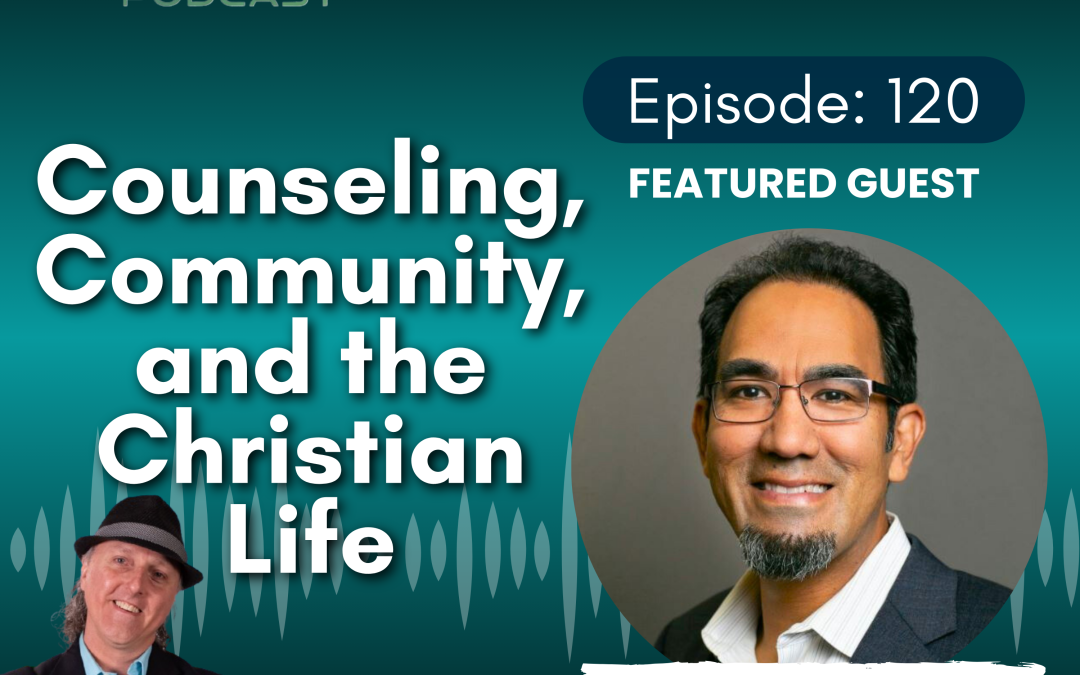
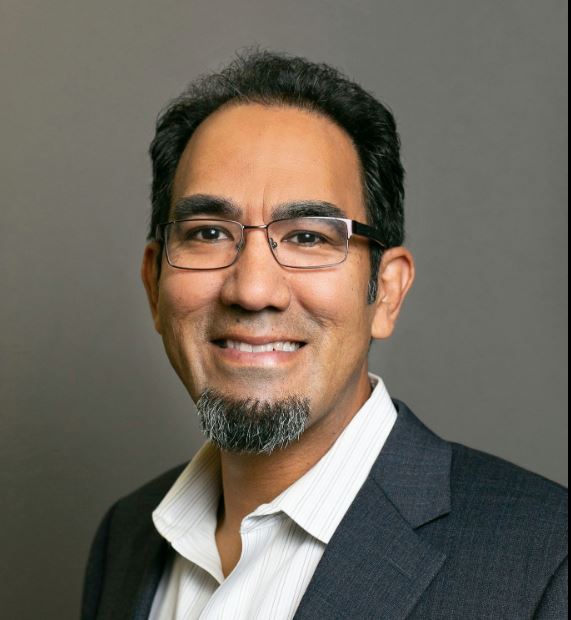
In this episode of the Christian Business Growth Podcast, Rev. Lyle interviews David Mora, a counselor who shares his journey from being a parole officer to establishing his own counseling practice, Building Bridges Counseling. David discusses the importance of human connection in therapy, the challenges of running a counseling business, and the impact of AI on mental health services. He emphasizes the need for professional help and the significance of understanding emotional needs in counseling, particularly for Christian entrepreneurs. David also shares insights on navigating discomfort and the importance of empathy in business interactions.
💬 Sound Bites From This Episode
David Mora Quotes
- “People are wounded in relationships, and healing often happens through relationships.”
- “AI can be a helpful tool, but it isn’t wisdom. It’s only mimicking what it finds.”
- “We were created for connection. Even Jesus lived life surrounded by people.”
- “One thing I often tell my clients is to be comfortable with uncomfortable.”
- “Discomfort often has something to teach us if we slow down and listen.”
Rev. Lyle Quotes
- “When you start talking to the heart instead of just the head, that’s when you begin to truly impact people’s lives.”
- “There’s a huge need for community among entrepreneurs, especially Christian entrepreneurs.”
- “Sometimes the simplest question can change someone’s day. I once stopped and asked someone at a call center, ‘Are you having a good day?’ and they just poured out everything they were dealing with.”
- “When you dig a little deeper and ask the real questions, you show people that you actually care.”
Episode Highlights
Be Comfortable with Uncomfortable: Faith, Counseling, and the Power of Connection
In this episode of the Christian Business Growth Podcast, Rev. Lyle sits down with counselor David Mora to explore the intersection of faith, emotional health, and entrepreneurship. Their conversation highlights the importance of relationships, the limits of technology when it comes to personal healing, and how Christian entrepreneurs can navigate life’s pressures with wisdom and faith. David’s story offers encouragement for anyone who feels overwhelmed, isolated, or unsure about seeking help.
The Journey Begins
David Mora’s journey into counseling did not begin in a therapist’s office. In 1999 he was working as a parole officer for the State of Texas. While he had been promoted into management and appeared to be advancing in his career, he began sensing that something was not quite right. The position came with challenges that pushed him to begin praying more intentionally about his direction and purpose.
During that time, some coworkers mentioned a counseling program at Emberton University in Garland. David decided to apply and take a single class just to see if it might be a good fit. What began as curiosity quickly turned into a calling. The study of psychology and the human mind fascinated him, and he found great fulfillment in understanding how people process struggles and rebuild their lives.
As his training progressed, David transitioned into crisis intervention work with the City of Dallas police department. In that role he helped respond to domestic violence and mental health situations, using counseling skills alongside law enforcement. After completing the required hours and receiving his license, he later worked at UT Southwestern Medical Center, helping employees deal with stress, family conflict, and emotional challenges.
Eventually, David took a major step of faith by launching his own practice, Building Bridges Counseling. The name reflects a message he felt God place on his heart years earlier. He believed his role was to be a bridge builder, helping people move from emotional struggle toward healing and stability.
The Meaning of Being a Bridge Builder
David describes counseling as helping people move from one place to another emotionally and spiritually. Many people arrive feeling overwhelmed, anxious, or stuck in unhealthy patterns. Through conversation, guidance, and practical tools, counseling helps individuals build a bridge toward healthier thinking and emotional well-being.
His approach focuses on the whole person, including mind, body, and spirit. While he does not practice pastoral counseling, many of his clients are Christians, and faith naturally becomes part of the discussion about emotional health. Spiritual beliefs often shape how people view guilt, forgiveness, responsibility, and purpose.
Helping individuals reconnect their emotional and spiritual lives can be a powerful step toward healing.
Navigating a Changing Landscape
One interesting part of the conversation focused on how technology is influencing mental health. David noted that many younger people are now turning to artificial intelligence tools to ask questions about life struggles, relationships, and emotional challenges.
While AI can provide helpful information and suggestions, David emphasized that it has limits. Technology can offer data, but it cannot replace human wisdom or the relational connection that is often essential for healing. Counseling involves empathy, listening, discernment, and spiritual understanding, all of which require real human interaction.
People are often wounded in relationships, and healing frequently happens through relationships as well. The counselor-client relationship itself becomes a safe space where individuals can process emotions and find healthier ways to move forward.
The Hidden Weight Entrepreneurs Carry
Another important topic in the discussion was the emotional pressure many entrepreneurs experience. Business owners often carry the responsibility for employees, finances, and family stability. At the same time, they may feel pressure to appear strong and capable at all times.
David shared that many people hesitate to seek counseling because they believe they should be able to solve their problems alone. This mindset can lead to isolation and prolonged emotional stress. However, Scripture offers a different perspective. The apostle Paul teaches believers to bear one another’s burdens, reminding us that we were never meant to walk through life alone.
Even Jesus lived in close relationship with others. He had family, disciples, and a community around Him. Christian entrepreneurs benefit from the same type of support through trusted friendships, mentorship, and professional guidance when needed.
Seeing People Through the Lens of Grace
One practical insight from the episode came from discussing everyday business interactions. Entrepreneurs often deal with frustrating situations such as long phone waits, automated systems, and complicated processes with companies or insurance providers.
In those moments it can be easy to forget there is another person on the other side of the conversation. David encouraged listeners to pause and remember that the person answering the phone may also be dealing with stress, pressure, or personal challenges.
Rev. Lyle shared a story about asking a simple question during a support call: “Are you having a good day?” The response surprised him. The representative began sharing what they were going through, and the tone of the conversation completely shifted.
Moments like this remind us that showing patience and compassion in business interactions can have a meaningful impact.
Key Takeaways
This conversation offers several valuable insights for Christian entrepreneurs and leaders.
First, healing and growth often happen through relationships. While tools and technology can provide information, meaningful change usually occurs when people connect with others who listen and understand.
Second, faith and emotional health work together. Seeking counseling or guidance is not a sign of weakness but a step toward wisdom and growth.
Third, entrepreneurs benefit greatly from community. Having trusted people who can provide encouragement, accountability, and perspective helps prevent the isolation that often accompanies leadership.
Finally, David offers a simple but powerful principle he shares with many of his clients: be comfortable with uncomfortable. Many people try to avoid discomfort through distractions or constant activity. Yet discomfort can sometimes reveal areas where growth, healing, or change is needed.
Wrapping Up
David Mora’s story reminds us that faith and emotional health are deeply connected. God often leads people through unexpected paths, and those experiences become tools for helping others. His journey from parole officer to counselor illustrates how listening to God’s guidance can open doors to meaningful work that impacts lives.
For Christian entrepreneurs, the lesson is clear. Growth in business and growth in faith often occur together. By embracing community, seeking wisdom, and learning to navigate life’s uncomfortable moments with faith, leaders can build businesses that not only succeed but also reflect Christ’s love in the world.
📝 Full transcript here
Rev. Lyle
Hello and welcome to the Christian Business Growth Podcast. My name is Lyle, and I'm here with David Mora. He's going to be telling us more about his story as a counselor or therapist. David, how did God get you into business?
David Mora
Thanks for having me, Lyle. I appreciate it.
Going way back to 1999, I was working as a parole officer for the state of Texas. I eventually received a promotion into management, but I started struggling a bit. It wasn’t quite what I thought it would be. There were challenges and difficulties, and I began asking myself if this was really the right direction.
So I started praying about it. I asked God what was going on and what He wanted for me.
At that time I had some coworkers attending Emberton University in Garland in a graduate counseling program. I had always enjoyed working with the men and women on parole, trying to help them get back on their feet after prison. I thought counseling might allow me to work more deeply with people and their challenges.
So I decided to apply. I thought I would just try one class and see what happened.
I got accepted and started taking classes. I enjoyed it immensely. I found the mind, the brain, and human behavior fascinating. It really captured my interest.
I kept feeling my heart pulling me further into it. I continued the program while still working full time. Eventually I changed jobs and joined the City of Dallas crisis unit where I worked with police doing domestic violence and mental health intervention.
During that time I completed my degree and internship hours. To become licensed you have to complete 3,000 hours of supervised counseling. I was able to do those there and eventually became fully licensed.
After that I moved on to UT Southwestern Medical Center where I worked in the employee assistance program as a counselor. I really enjoyed helping people deal with work stress, family difficulties, and life challenges.
Around that time I began thinking about starting a private practice. Back around 1999 and 2000 when I was praying about career changes, I also prayed about what God wanted for me long term. I felt a strong impression in my heart about being a “bridge builder.”
I knew it wasn’t about literal bridges. I had no engineering background. But it had something to do with people.
Eventually I started a part time private practice and named it Building Bridges Counseling. Over time I transitioned out of UT Southwestern and stepped into private practice full time. That was a huge leap of faith since I was the breadwinner for my family and had to build my client base from scratch.
God opened some doors that brought in clientele. Since then it has been a journey with ups and downs like any business owner experiences. But by God’s grace I’ve continued forward, trying to trust that I’m doing His will.
Rev. Lyle
Now that you’re in it, what does “bridge builder” mean to you?
David Mora
My tagline is “Building Bridges Counseling: Connecting to Emotional Health.”
I see my role as helping people who are struggling mentally and emotionally move to a healthier place. I help build that bridge.
I listen, empathize, understand, and guide them through healthier ways of thinking and coping. We look at the whole person. Mind, body, and spirit.
Since I’m a Christian, many of my clients are Christians as well. I don’t necessarily do pastoral counseling, but we do talk about how faith impacts emotional wellness and physical wellness.
So my role is helping people connect the pieces of their lives and move toward emotional health.
Rev. Lyle
What is God currently doing in your business?
David Mora
One of the main things right now is continuing education. Counselors must complete ongoing training each year to maintain licensing.
Toward the end of 2025 business slowed down quite a bit. I heard the same thing from other therapists as well. There were a lot of speculations about why that happened.
One interesting trend is that many younger people are turning to AI and ChatGPT for counseling advice.
Rev. Lyle
And the internet.
David Mora
Yes. It’s a fascinating development.
So because of that and other factors, therapists have to work harder at marketing and identifying our niche.
Personally I feel like the Lord has been encouraging me to hang in there. In 2026 things have started to pick back up again.
I’m also focusing my training on OCD, obsessive compulsive disorder. Some Christian clients experience scrupulosity, where they worry excessively about offending God. It becomes emotionally debilitating.
So I’ve been working on developing stronger tools to help people in that specific area.
Rev. Lyle
That’s interesting. People turning to AI for counseling is a little scary because AI is pulling information from all over the internet. If it pulls the wrong thing you could get bad advice.
What would you tell someone considering AI instead of talking to a real human counselor?
David Mora
AI can be useful for quick insights or general information. It’s a tool.
But it isn’t wisdom. And there’s no spiritual element.
AI is mimicking information it finds online. It can assist, but it can’t replace the human and spiritual aspects of counseling.
People are wounded in relationships, and healing often happens through relationships.
The counselor-client relationship itself can be part of the healing process. Also isolation is a major issue today. Loneliness has become an epidemic.
So AI can help in small ways, but true healing often happens through connection with other people.
Rev. Lyle
There’s also a huge need for community among entrepreneurs, especially Christian entrepreneurs.
What would you tell someone who is struggling but feels embarrassed about reaching out to a counselor?
David Mora
That hesitation is very common.
Our culture values independence and the idea of “pull yourself up by your bootstraps.” Men especially struggle with this.
I’ve had male clients tell me they thought about calling for counseling for a full year before they finally reached out.
But we need to remember what Paul tells us in Scripture: bear one another’s burdens.
Friendships are incredibly important. But sometimes we need trained professionals as well.
If someone has severe physical pain, they don’t just keep asking friends for advice. Eventually they go see a doctor.
Mental and emotional struggles can work the same way.
And I remember once a woman told me she didn’t need counseling after her divorce because it was “just me and Jesus.”
I told her that Jesus lived in community. He had family. He had the twelve apostles.
We were created to live in relationship.
Rev. Lyle
As we shift into business growth, what are you doing currently to reach more people?
David Mora
One of the things I’m experimenting with is actually using ChatGPT for marketing ideas.
I ask it questions about improving my website or how I might reach people who are searching for counseling online.
I also network heavily with other therapists. If someone calls me and I’m not the right fit, I may refer them to another counselor.
We also receive referrals from psychiatrists, doctors, and Christian business networks.
So it’s a combination of networking, marketing, and prayer.
Rev. Lyle
Something I’ve found helpful with AI is asking it about emotional needs. When you understand emotional needs, you can speak to the heart.
What emotional needs do you think Christian entrepreneurs have that counseling might address?
David Mora
Entrepreneurs often carry a lot of stress and responsibility.
One thing I would encourage is remembering the heart of the other person in your business interactions.
Even something as simple as calling an insurance company can become frustrating. You deal with long wait times and automated systems.
But the person on the other end of the phone is still a human being.
Sometimes people contact businesses when they’re already in a stressful situation.
So I try to remember the golden rule. Treat others the way you want to be treated.
Even when someone is frustrated or short tempered, they may be dealing with a lot behind the scenes.
Rev. Lyle
That’s very true. I once asked someone at a call center if they were having a good day, and they suddenly opened up about everything they were going through.
When you take the time to ask deeper questions, it shows that you actually care.
As we wrap up, how can people get in touch with you and what piece of wisdom would you leave us with?
David Mora
People can find me at my website:
buildingbridgescounseling.com
There you can see the services I offer and contact me through the phone number or email listed.
As far as wisdom goes, one thing I often tell my clients is this:
Be comfortable with uncomfortable.
We often try to escape discomfort. We numb it through screens, alcohol, busyness, or distractions.
But discomfort is often trying to tell us something.
Christ said, “In this world you will have trouble, but take heart, I have overcome the world.”
So when discomfort comes, pause. Breathe. Pray. Ask God what the next step should be.
Don’t run from it. Learn from it.
Rev. Lyle
Great. Thank you for being with us today, David.
David Mora
Thanks for having me.